Distributed generation in Brazil
The legal framework that lets remote plants generate credits for your electricity bill.
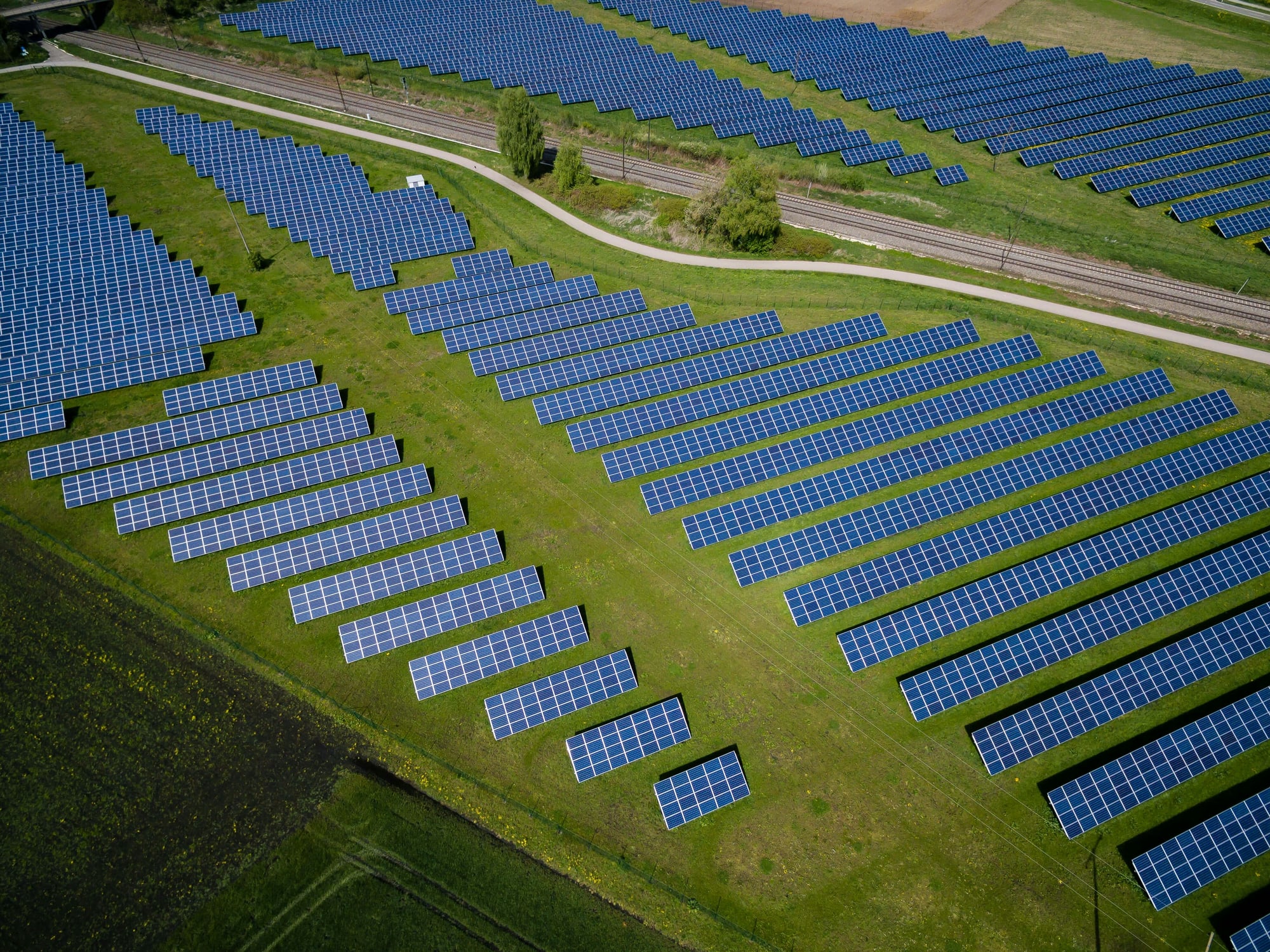
The energy that powers your home no longer has to be born in a distant hydroelectric dam. Distributed generation (DG) lets smaller plants — solar farms, for instance — produce energy close to the people consuming it and share the credits through the utility's grid.
The legal framework: Lei 14.300
Enacted in 2022, Brazil's Lei 14.300 — the Distributed Generation Legal Framework — gave the model legal certainty. It is what allows a plant to generate energy at one point while the credits are applied to the bills of consumers somewhere else, an arrangement known as shared generation.
In practice: the plant feeds energy into the grid, the utility accounts for what came in, and the corresponding credits offset the consumption of everyone taking part in the system.
What this changes for you
- Access to solar energy without needing a suitable roof or the capital to install one
- Credits applied straight to the bill from the utility you already have
- Clear, stable rules, set by federal law
Lei 14.300 turned solar energy from a privilege of those who could install it into a service anyone can subscribe to.
Where blu. comes in
blu. manages distributed generation plants and allocates the credits to subscribers — handling the whole operation with the utilities so the savings reach your bill every month, without you having to read a line of regulation.
Want to know how much you would save?